
Giraffes Return to Angola's Bicuar National Park After 25 Years
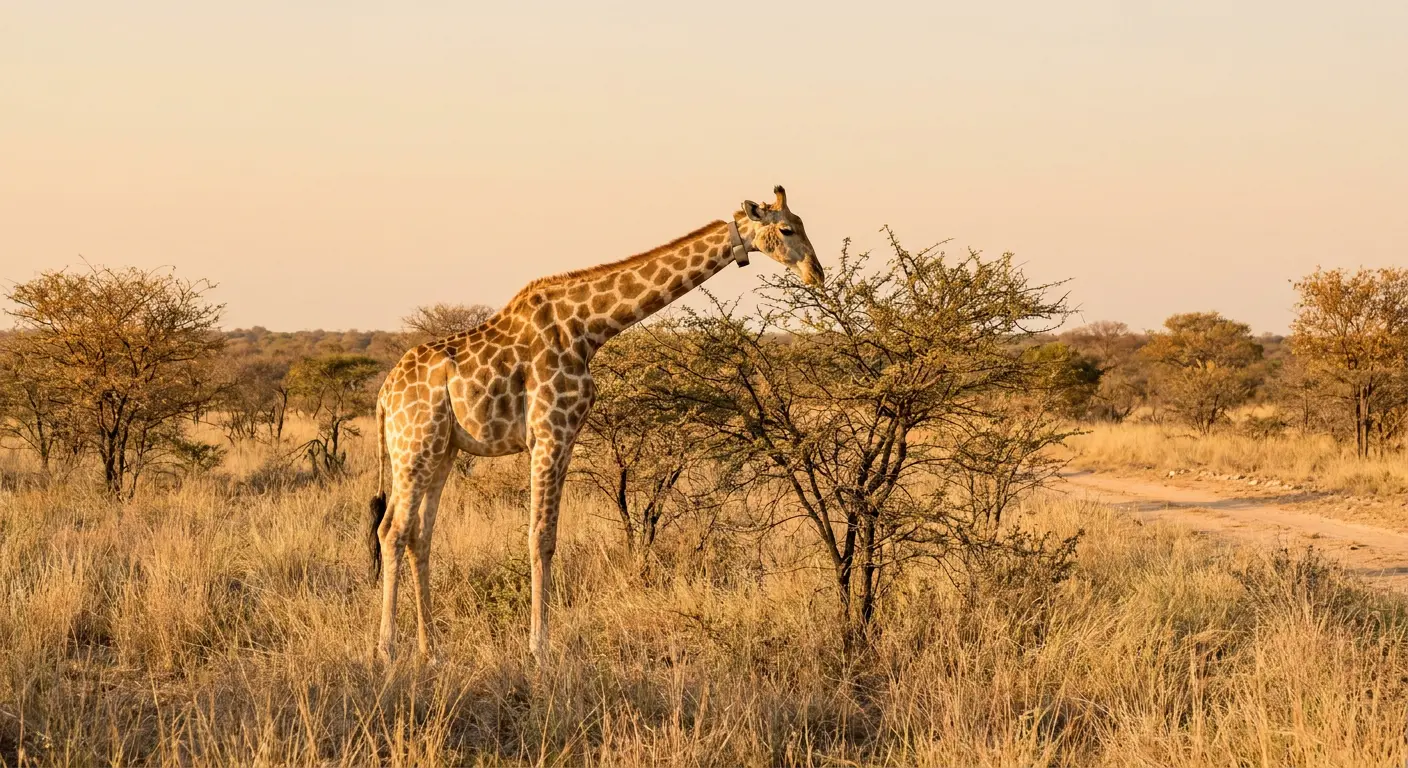
Twelve Angolan giraffes were released into Bicuar National Park in southwest Angola on 30 July 2026, marking the park's first presence of giraffes in about 25 years. The move from Namibia was made possible by The Giraffe Conservation Foundation (GCF) and Angola's National Institute for Biodiversity and Conservation Areas (INBAC).
Angolan giraffes were once widespread across southern Angola. Decades of civil war, habitat loss and poaching wiped them out from much of that range.
Planned Over a Year
In 2025, GCF and INBAC assessed whether Bicuar could support giraffes. The park passed, leading the move for 12 animals to come from two separate properties in Namibia to widen the gene pool.
With each giraffe having a GPS tracker fixed to its tail, the team can see where the animals move, how far they range, and whether they stay together. Early monitoring shows the giraffes settling in and exploring new feeding areas without signs of significant stress.
Why Giraffes Matter Here
Giraffes shape the land they live on. Not only does their browsing keeps vegetation in balance, which supports a wide range of other species, but they serve as a "really good umbrella species" for the landscape and other species, according to Jennifer Fennessy, the GCF executive director. About 140,000 giraffes remain in Africa, including an estimated 15,600 Angolan giraffes.
Waiting for Calves
Giraffes reach breeding age at 3 to 5 years, so the first Bicuar calves will take time. One case in point, giraffes were returned to Iona National Park in 2023 and 2024, and by August 2026, that population had its first calf.
What Comes Next
If the Bicuar group does well, more giraffes will follow. Chimalavera Regional Park and Kissama National Park are planned to follow over the next decade.
SOURCE
First Angolan giraffes return to Bicuar National Park after 25 years | Mongabay