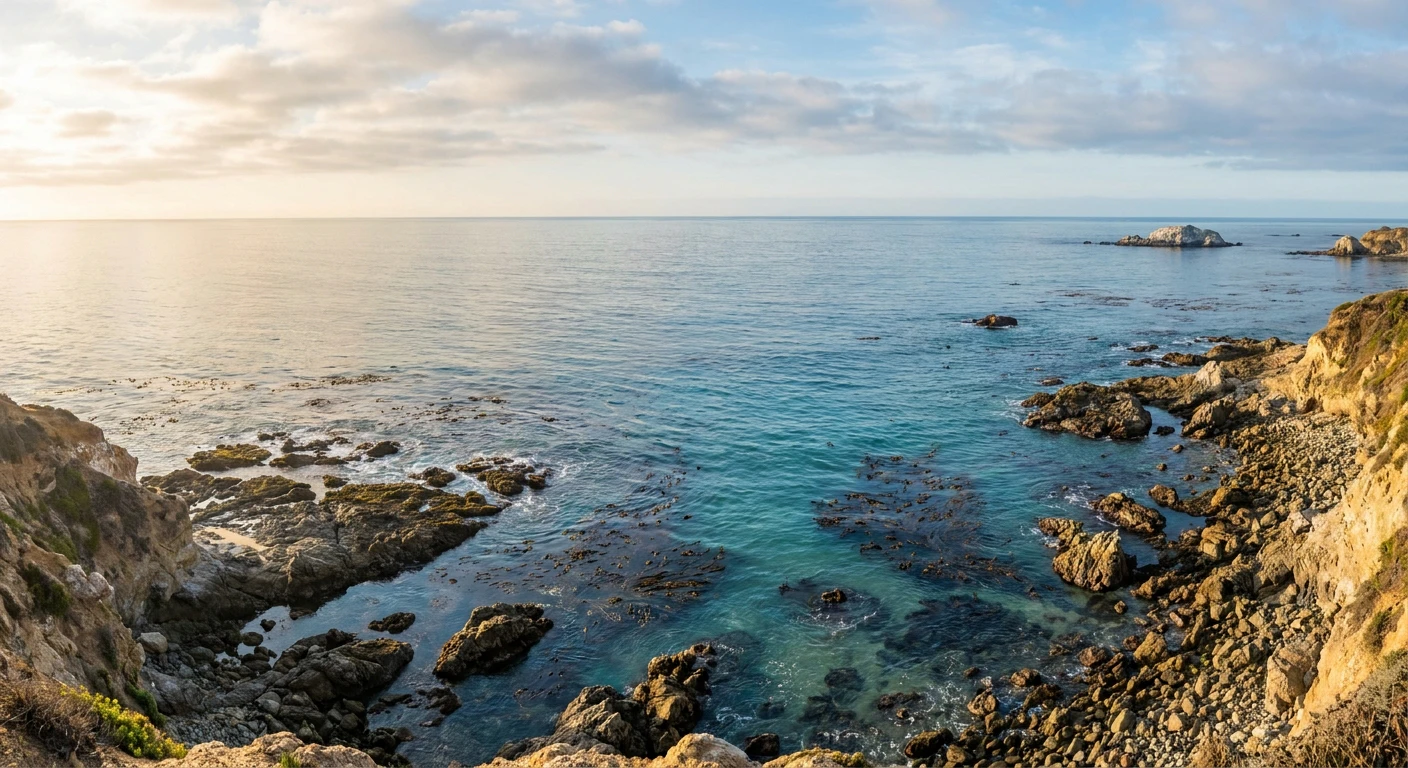
Marine life off Carpinteria and in northern Santa Barbara County stands to benefit from the state network’s first additions since 2012, while accompanying changes address declining fish populations at Pyramid Point without ending tribal harvest. Formal rule-making still lies ahead, with the new areas expected to take effect in roughly two years.
Tribal Proposals Change the Map
Mishopshno, off Carpinteria, and Point Sal, in northern Santa Barbara County, mark a first for California’s network as tribally nominated additions. Chumash tribes proposed both areas, bringing culturally significant waters into the state’s protection process, and was voted in by the California Fish and Game Commission (CFGC) on October 15th 2026.
Applause followed the vote, recalled Marine Conservation Institute scientist Ali Rubin, who attended the meeting. Chumash tribal members and their partners had spent three years working towards the decision.
Point Sal will receive another name through consultation with Chumash people. The approvals also open a route for tribes and state agencies to initiate co-stewardship, building on the Chumash Heritage National Marine Sanctuary.
Fish Protection Requires Adaptation
Pyramid Point’s declining fish populations prompted stronger protections, with tribal harvest retained. The commission also approved enlarging the conservation area at Point Dume: the package changes existing protections as well as adding places.
The 2021 MPA Guide, a scientific framework for marine protected areas, describes ongoing observation, review and adjustment as active management. Dr Lance Morgan, Marine Conservation Institute president, sees California’s willingness to revise its network as evidence of that approach in practice.
Approval, Then Implementation
The Governor’s office puts the conserved share of California’s coastal waters at 22.2% following these actions. However, that figure does not mean the newly approved areas already operate under their future rules.
The October 2026 announcement places implementation roughly two years away.
Marine Conservation Institute plans to keep working with tribal partners and state bodies through the next steps. For marine life, it will be a matter of how well protections are put in place with measurable results.
Source