Mozambique’s Gorongosa National Park is showing what wildlife recovery can look like when conservation and community development go hand in hand. Through the Gorongosa Restoration Project, efforts to rebuild wildlife populations include ranger protection, animal reintroductions and support for local farming communities.
The results are encouraging—a 2024 aerial survey recorded 110,513 large animals, the highest count at that point in the project’s history.
Mozambicans Sustain the Return
More than 300 people work in Gorongosa’s conservation department, most of them Mozambican. Rangers and specialists track wildlife, tackle poaching and help residents manage encounters with potentially dangerous animals.
The work extends well beyond patrols: veterinary staff support animal moves, while conservation workers manage habitats and respond when wildlife needs help.
During 2024, the restoration project moved 32 zebras, 7 hyenas, and 2 leopards into the park. African wild dogs have also returned through the wider restoration effort, bringing another predator back into Gorongosa’s ecological relationships.
However, the growing animal population does not settle whether habitats, genetic diversity and the balance between species can support recovery over the long term.
Coffee Gives Trees a Place on Farms
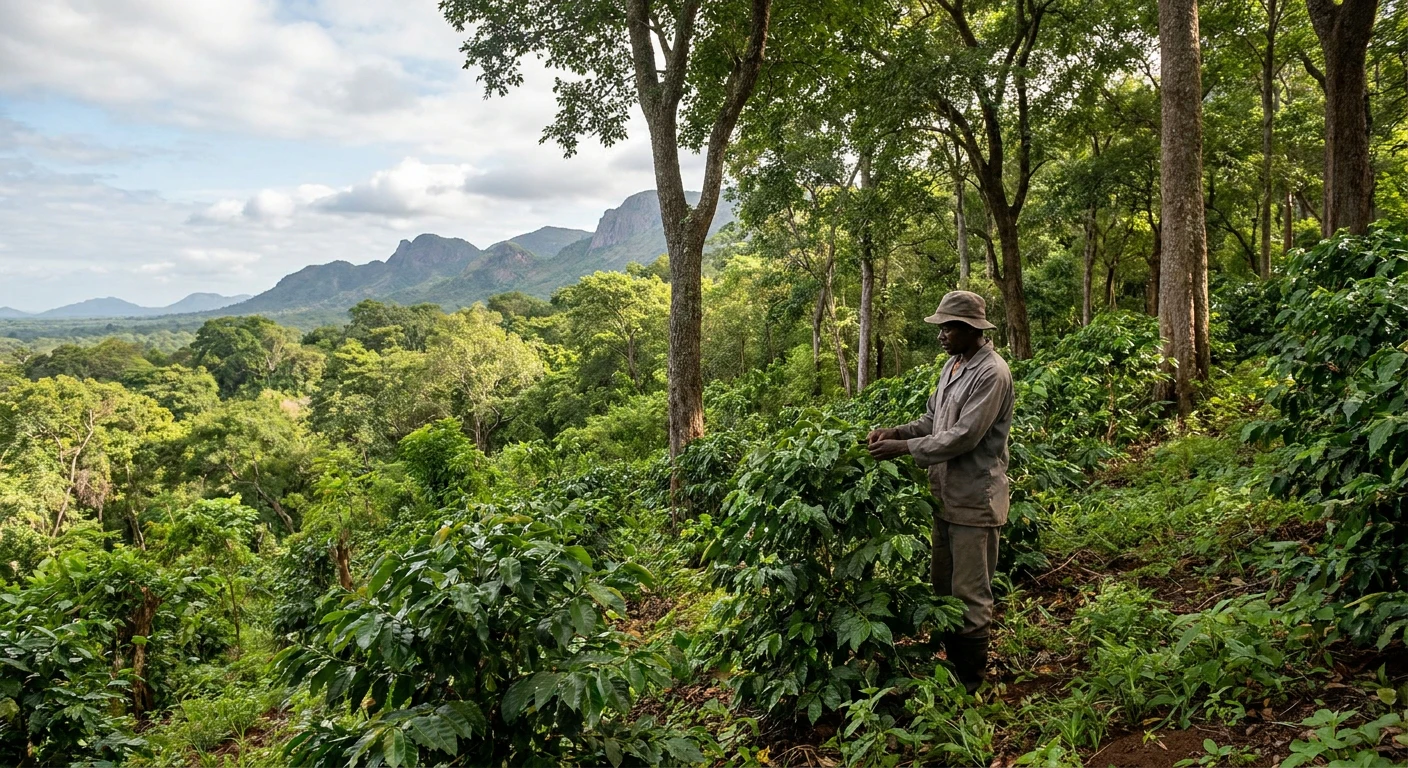
Arabica coffee grows under native trees on Mount Gorongosa, connecting household earnings with forest restoration. Started in 2014, the coffee initiative now involves more than 1,600 farmers cultivating over 500 hectares.
For those farmers, shade trees support a crop they can sell rather than simply occupying land they might otherwise clear. Local processing adds another connection to the region’s economy, before the coffee reaches buyers in Mozambique and abroad.
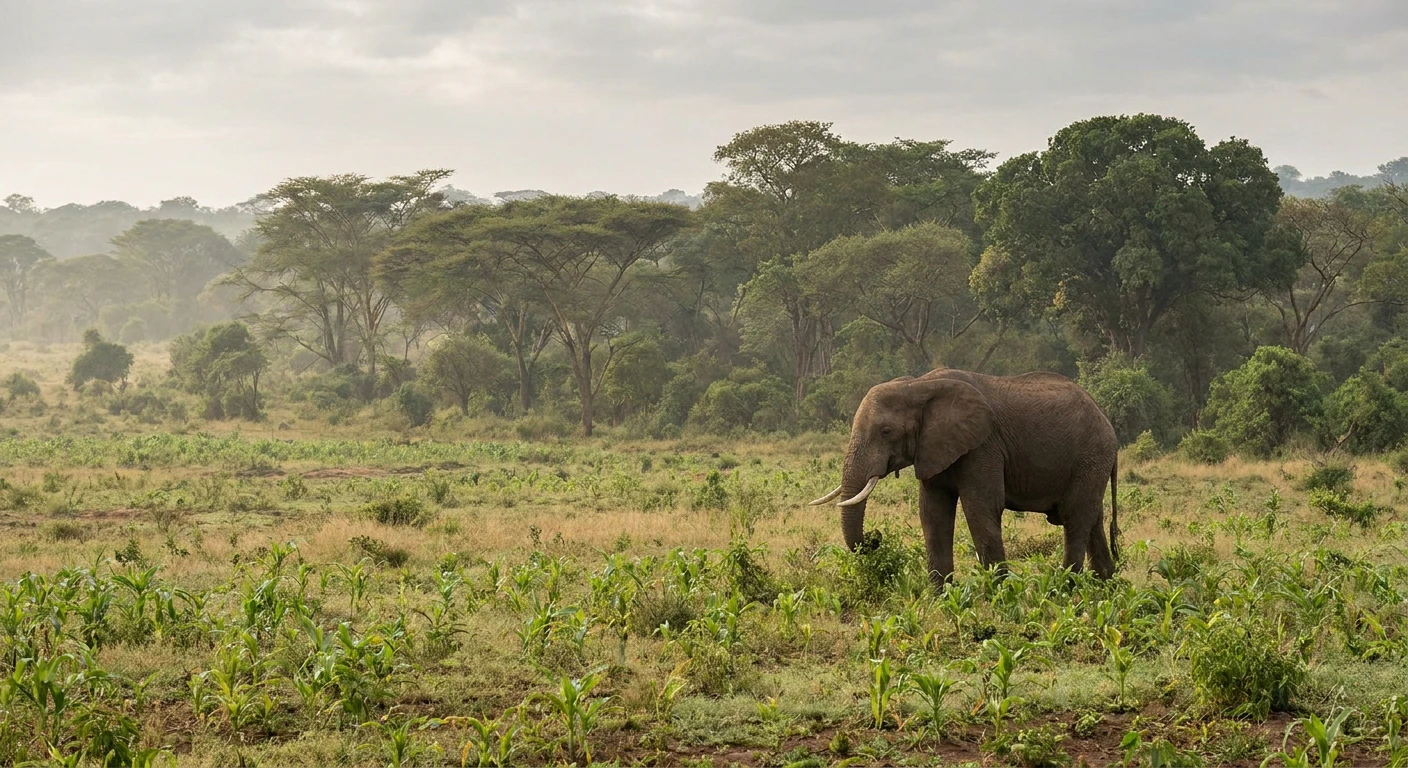
Mountain forests regulate water and sustain rivers supplying the park’s floodplains, where elephants, buffalo and other animals depend on healthy habitats.
Protecting tree cover on farms can therefore help both households and wildlife, without asking people to choose between earning a living and keeping a forest standing. The restoration programme also supports honey, chilli and cashew production, widening the agricultural opportunities around the park.
Weather, transport costs and changing markets still shape what farmers can earn, and coffee offers a practical response to forest clearance.
Opportunity Beyond the Park Boundary
Gorongosa’s restoration programme also backs schooling, healthcare and opportunities for young people. These efforts recognise that the people living beside a protected area need more than restrictions on how they use land and resources.
Education can open routes into tourism, conservation and science. Through its research programme, Gorongosa also provides training opportunities for students and helps build Mozambican conservation expertise.
Researchers examine how grazing animals affect vegetation and how fire shapes the savannah. Their observations give managers evidence to adjust decisions, rather than treating an increase in wildlife numbers as the end of the work.
A Commitment Measured in Decades
Gorongosa became a national park in 1960, before Mozambique’s 1977–1992 civil war severely reduced its wildlife and disrupted protection.
In 2008, Mozambique’s government joined the Carr Foundation in a management partnership that combined conservation, tourism and community development. A 2018 extension added 25 years to that commitment.
Gorongosa’s recovery shows how wildlife conservation and community support can work together. Looking ahead, success will depend on more than growing animal populations. It will also mean protecting the habitats wildlife depends on and creating sustainable livelihoods that encourage local communities to support conservation.
Source
Gorongosa: How a national park is rebuilding its wildlife and communities | Getaway