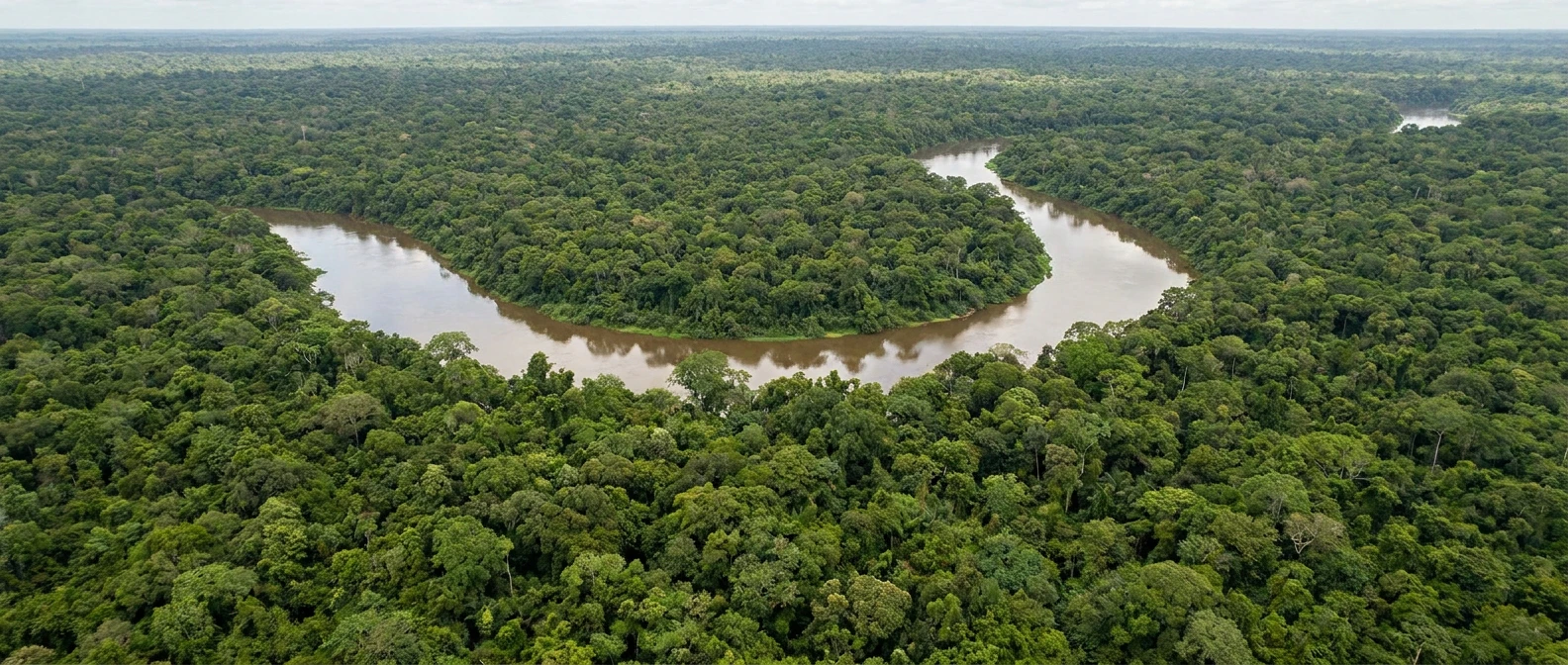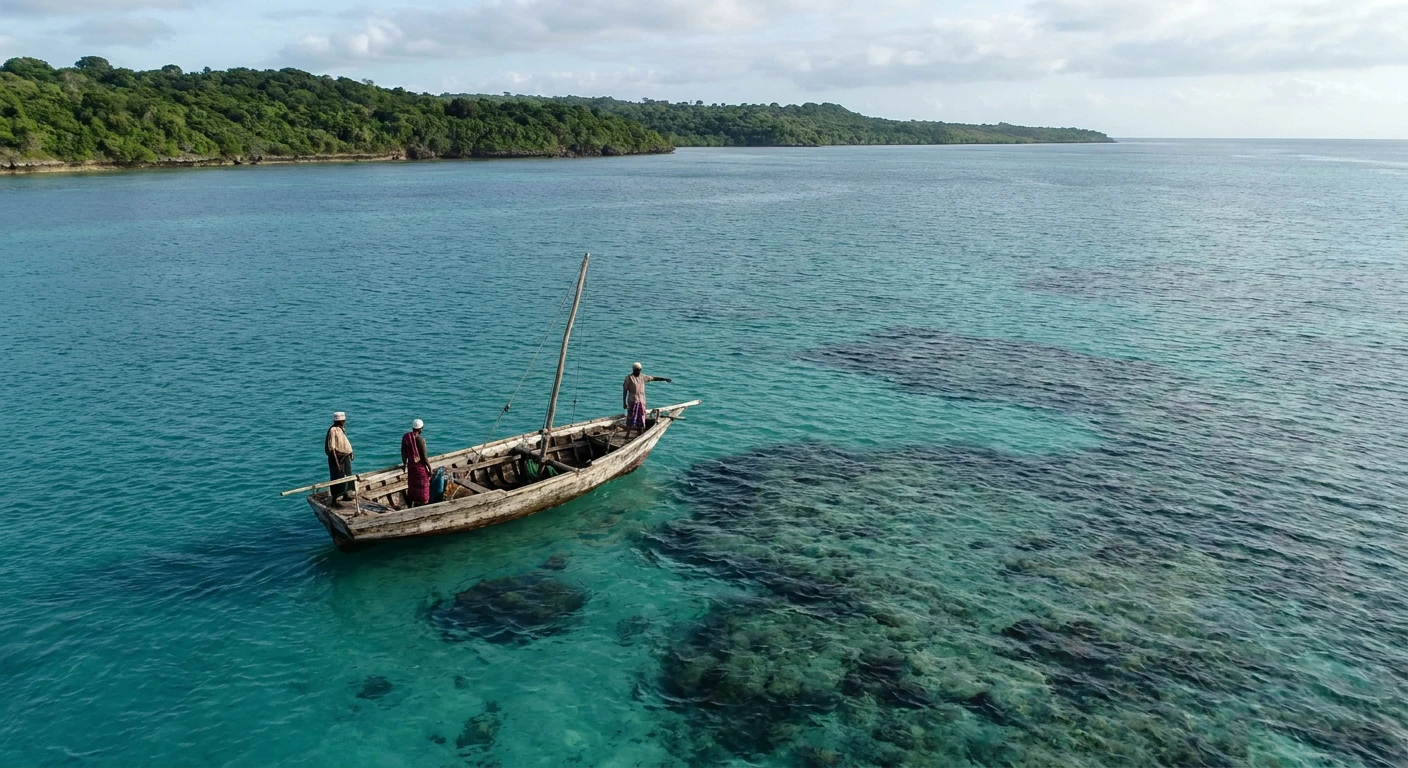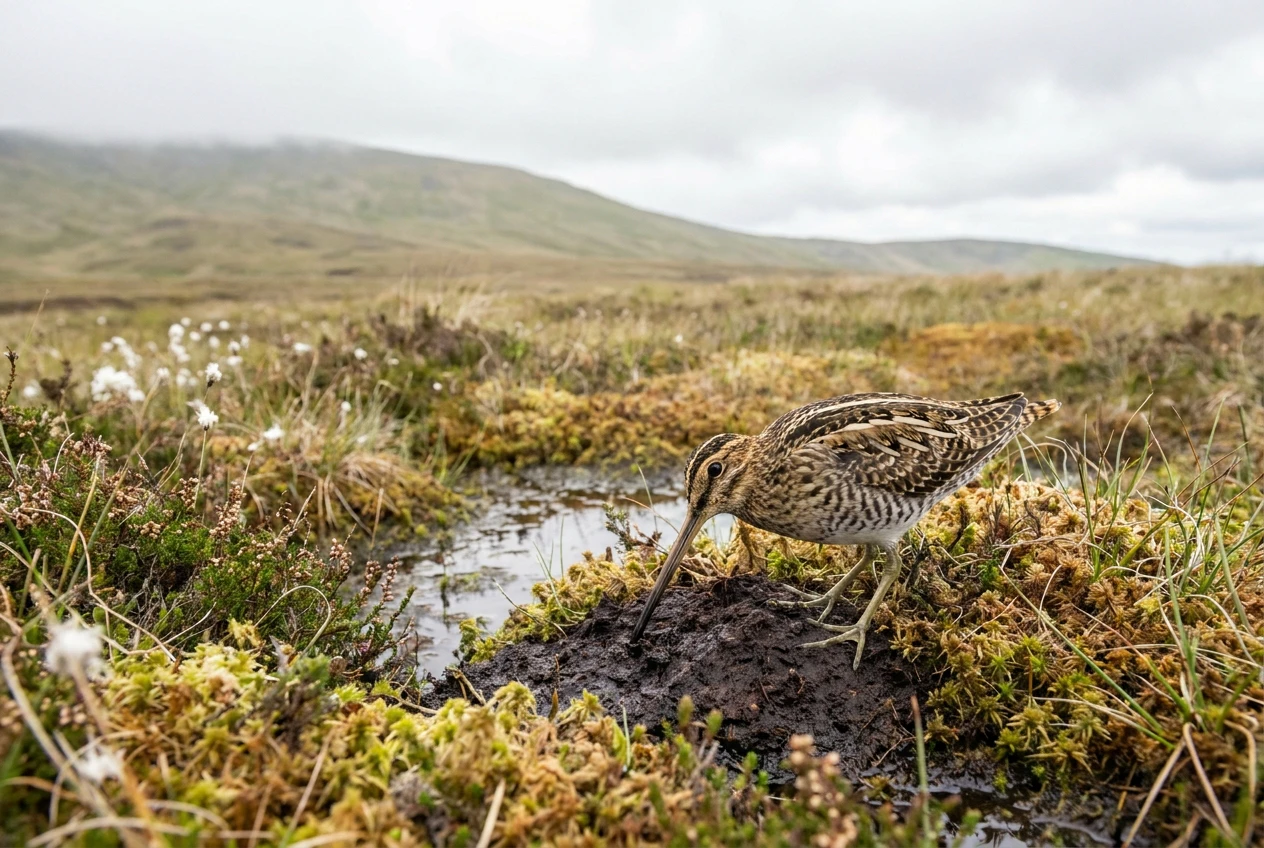

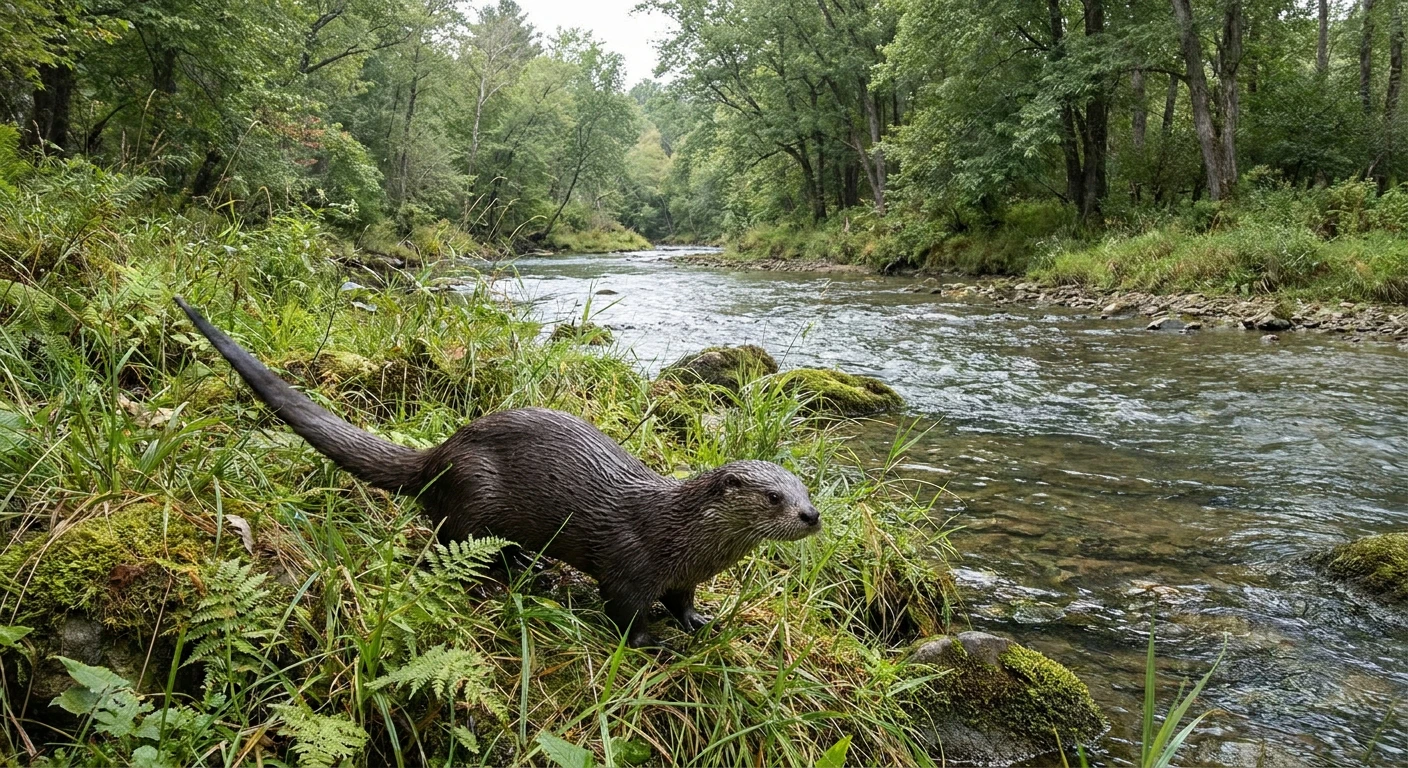
A report released by UNEP and partners on 29 October 2026 documents 252 million hectares of ecosystems under restoration across 149 countries as part of efforts to reverse nature loss. Forests, rivers and other ecosystems are benefiting from work by governments and communities to reverse nature loss through habitat repair and connection.
UNEP describes the effort as the largest yet documented globally, roughly the same amount of land as Kazakhstan, although land under restoration does not automatically mean wildlife has returned.
Freshwater Needs a Faster Recovery
Freshwater ecosystems have reached only 5% of their global restoration benchmark, the slowest progress among the categories assessed, and are also deteriorating the fastest. Initiatives including the Freshwater Challenge aim to accelerate their recovery.
Marine and coastal habitats stand at 23% of their relevant benchmark, while terrestrial restoration approaches halfway and is considered on track. Overall, the documented area covers 34% of the estimated amount needed to meet the global 2030 target, putting progress behind schedule.
Count the Wildlife, Not Just the Hectares
Connected habitats offer a stronger response than isolated repairs. The report calls for planning across wider areas, with governments, businesses and communities working together, and monitoring whether biodiversity actually returns.
Research cited by UNEP suggests restoring 15% of priority areas globally could avert 60% of projected species extinctions—but recovery still depends on where restoration happens and whether ecosystems regain their capacity to support wildlife.
Natalia Alekseeva, a principal coordination officer in UNEP's Ecosystems Division, calls for sustained support from countries and restoration partners. Secure land rights and leadership by Indigenous Peoples and local communities also matter for lasting results.
Keep Recovery Working Beyond 2030
More than 1 million green jobs are linked to projects recognised as UN World Restoration Flagships, programmes which have shown how repairing habitat can also support people's livelihoods.
Annual investment needs to rise from US$64 billion to US$296 billion by 2030, the report says. Governments and financial institutions can support longer-term recovery by attracting private funding and reducing incentives for environmental damage, making the 2030 goal a milestone rather than a stopping point.
Source