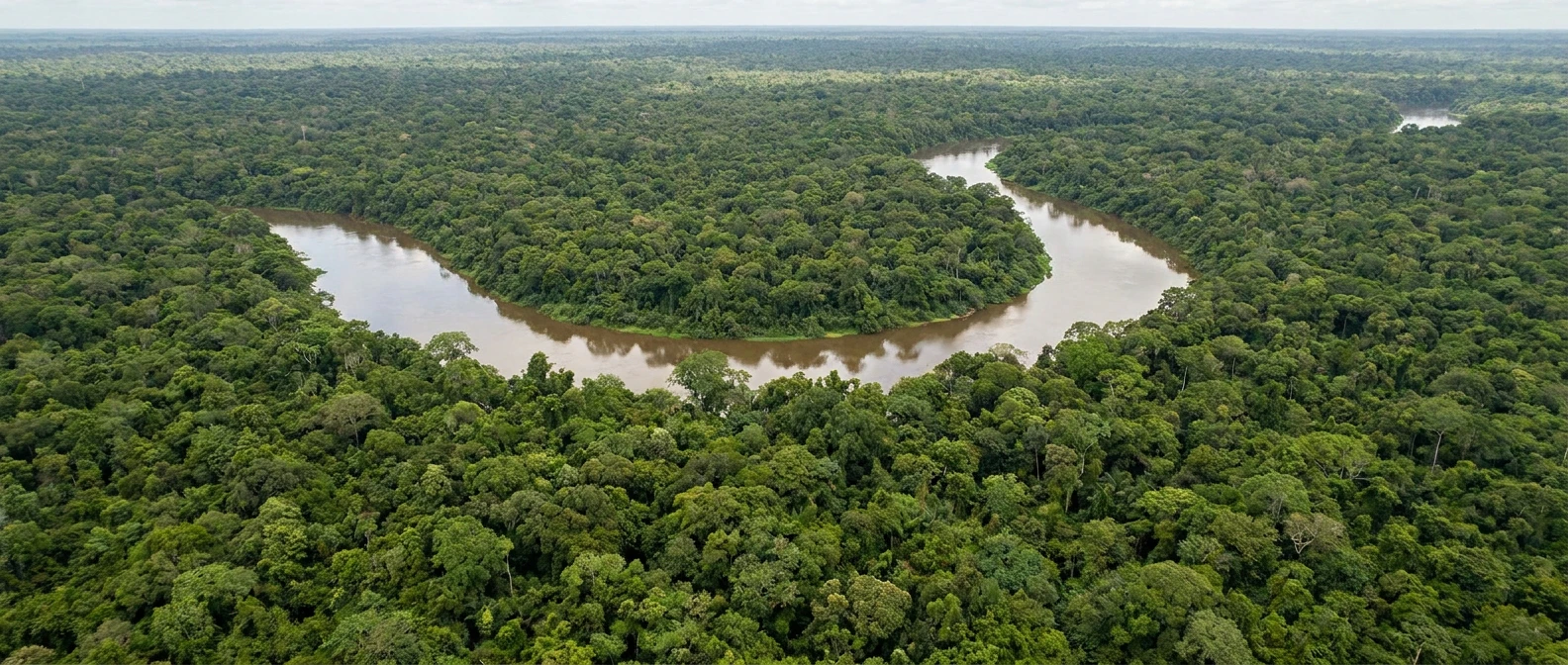
The Tropical Forest Forever Facility (TFFF) aims to provide long-term funding for tropical forest protection by rewarding countries that conserve their forests. Launched in Belém, Brazil, in 2025, the initiative uses investment earnings to support participating countries.
However, funding pledges remain below the US$10 billion milestone set for the end of 2026, with commitments reaching US$7.8 billion as of 5 November.
Paying for Forests, Deducting for Loss
Norway has pledged US$3 billion, but its commitment depends on the facility reaching the US$10 billion target. So far, only eight countries have made financial pledges, despite endorsements from more than 65 nations.
The facility has also taken steps towards implementation, with an interim board and charter in place. The World Bank is providing a home for the initiative and acting as its trustee.
Countries could receive up to US$4 per hectare of eligible forest annually, based on satellite monitoring. Each hectare lost would subtract US$400 from a country's payment, with that deduction doubling when annual deforestation exceeds 0.3%. Countries could lose payments, but would not incur debt through penalties.
Mauricio Voivodic, WWF-Brazil's executive director, acknowledges that the hectare payment cannot match cattle or soy profits. National totals could still matter: WWF estimates Suriname could receive US$42-46 million annually if the facility reaches its full funding ambition.
The US$125 billion design combines public and philanthropic loans with private bond investment. Forest payments depend on earnings exceeding costs and do not guarantee an annual cheque.
The Rules Still Need Work
Fire damage is currently the only form of degradation attracting penalties, leaving other damage outside that accounting. Plant-for-the-Planet founder Felix Finkbeiner supports giving scientific advisers a route to introduce improved measurement methods unless the board vetoes them.
Investment safeguards also remain unfinished. Anita de Horde, who leads the Finance for Biodiversity Foundation, says investors want environmental and social checks applied across companies receiving investment, rather than individual projects alone.
At least 20% of payments must reach Indigenous peoples and local communities. Proposed routes include community-supervised national accounts or, with government agreement, a global agency. Indigenous representatives helped shape the facility but lack board votes.
Brazil's vice minister for Indigenous peoples, Marcos Kaingang, reported consultations on governance and spending criteria. Operations were expected in 2027, with payments projected for 2028 at the earliest. The next steps: securing funding and settling how forest protection translates into money communities can use.
Source
The Tropical Forest Forever Facility turns one, and is billions short | Eco-Business