
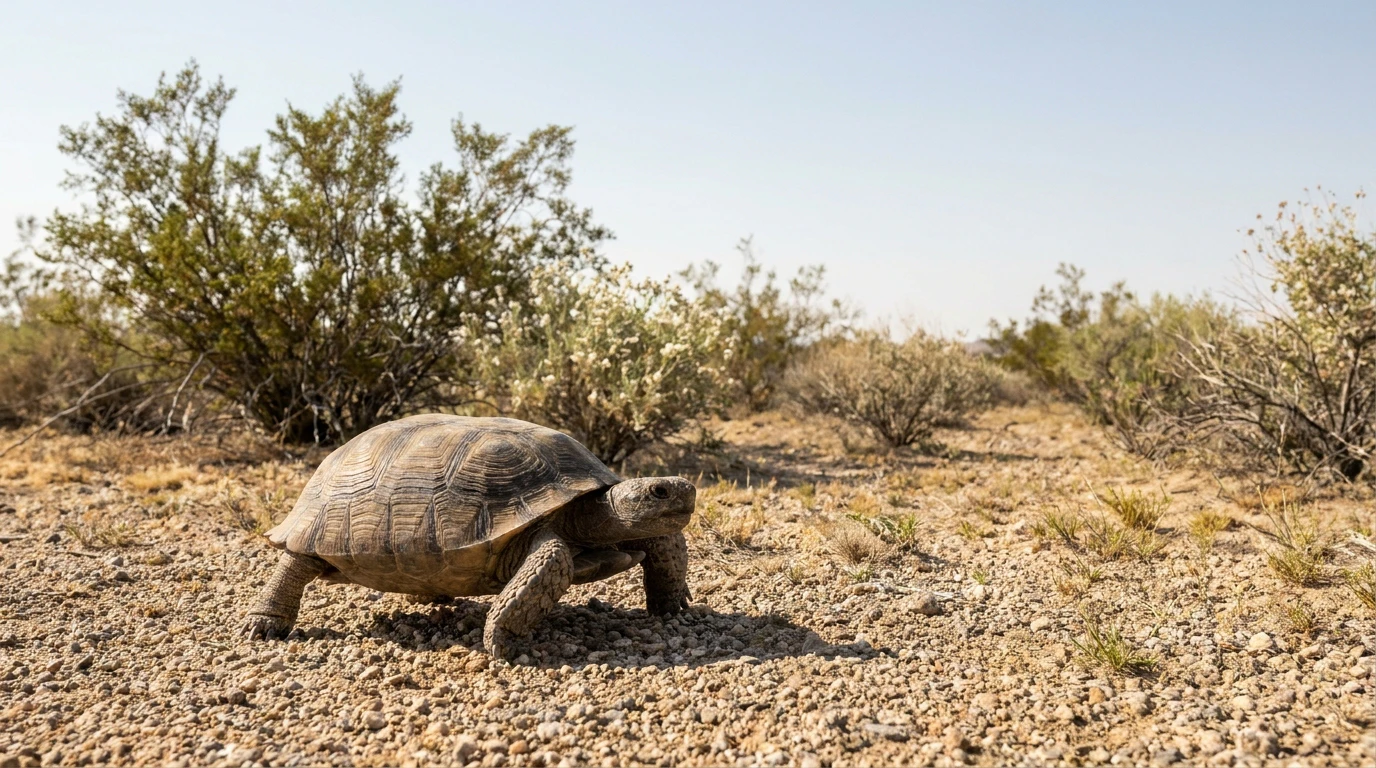
Reptiles and amphibians fare better when relocations aim to rebuild populations rather than clear animals from development sites, a global review finds. For these animals, the study of moves made between 2007 and 2023 offers evidence for protecting habitat before relying on emergency relocation.
Lead author Megan Winand and colleagues examined translocations to assess their conservation outcomes. Their findings challenge the use of animal moves as a response to habitat loss from construction.
Moving Does Not Mean Recovering
313 translocations worldwide formed the evidence base for the study, published in Conservation Biology. Reintroductions intended to conserve populations performed better than relocations prompted by development, which generally produced poor outcomes.
Winand, who manages the Conservation Decisions Lab at the University of British Columbia, distinguishes between removing animals from danger and supporting their long-term recovery. Moving an animal beyond a construction site's boundary may protect it from immediate harm, but it does not guarantee that it will survive after release, find suitable habitat or reproduce.
For conservation efforts to contribute to population recovery, animals must be able to survive and establish themselves in the wild. Inadequate follow-up leaves questions about what happens next, while unsuitable conditions at receiving sites can undermine the move itself.
Both problems affect translocations beyond those prompted by development.
Protect Habitat Before the Emergency
Winand and her colleagues recommend prioritising habitat protection and examining alternatives to existing mitigation practices. Their proposed direction puts the animals' existing homes first, rather than waiting until development makes moving them urgent.
Source
Emergency translocations not super successful for herps | The Wildlife Society