
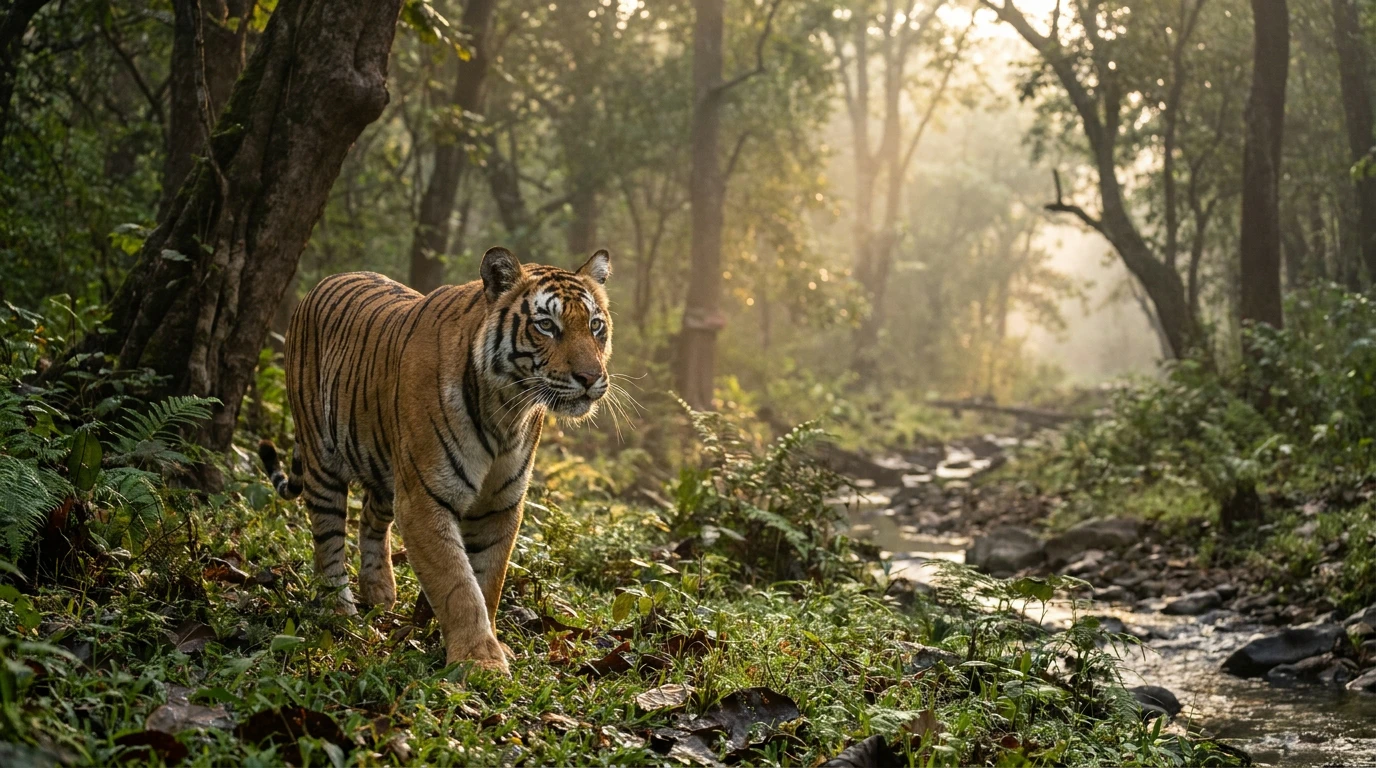
Global monitored wildlife populations fell by an average of 73% from 1970 to 2022, making effective protection a priority for the World Wide Fund for Nature / World Wildlife Fund (WWF) says its chief scientific adviser, Dr Mike Barrett. During this time, wild tiger numbers have risen 70% worldwide since 2010 thanks to concerted conservation work, supporting that action can reverse declines, reported by the WWF's Living Planet assessment.
Individual Recoveries In a Global Wildlife Decline
Some of the other highlighted improvements inlcude:
• European bison have returned to the wild across 10 countries through breeding in captivity and reintroduction, a recovery spanning slightly more than 50 years, the species had previously disappeared from the wild altogether.
• Otters in the UK offer another measure of progress as they were once close to extinction, they are now relatively common nationwide, along with beavers and white-tailed eagles, Barrett says.
• North American sea otters and elephants in southern Africa feature among the other WWF recoveries records.
• Bluefin tuna in both the Atlantic and Pacific have also shown improvement.
Recovery Needs More Than Protected Species
Tracking population size relies on gathering from aerial surveys, camera traps and analysis of animal droppings to make up an index. From it, half the populations assessed were either holding steady or growing.
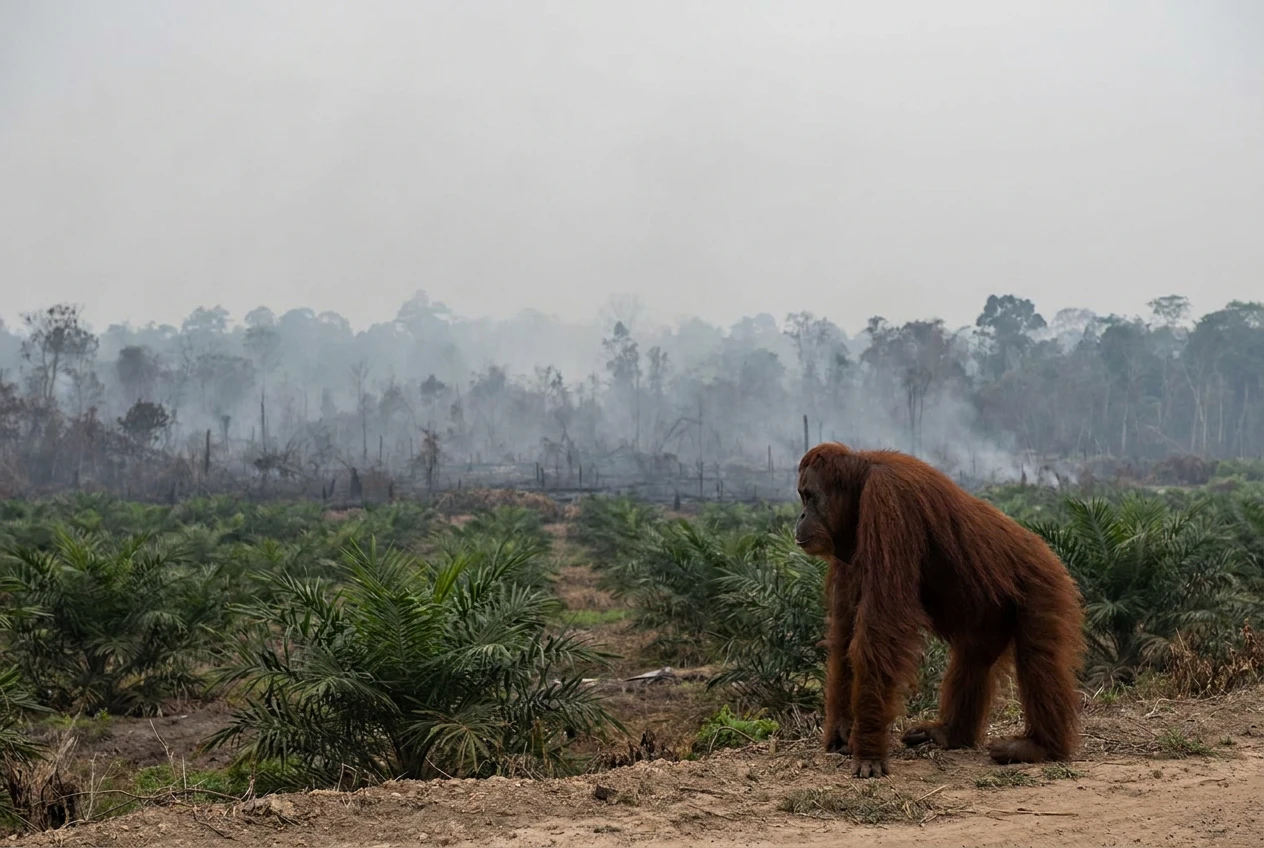
Yet, the WWF says conservation alone cannot achieve that outcome while fossil-fuel-driven climate change, agricultural habitat loss and investment in damaging activities continue to exert pressure.
Barrett warns that ecological thresholds, including warm-water coral reef collapse, could strain the possibility of recovery. WWF's proposed path pairs species protection with changes to food production, energy and finance, addressing the pressures that conservation teams cannot tackle alone.
Source
'Grounds for hope' even as wildlife numbers dive | The Australian Museum