
Florida's debate over endangered wildlife protection has raised questions about how far conservation efforts should go to safeguard vulnerable species. Retired wildlife biologist James Perran Ross argues that protecting endangered animals requires more than preventing direct harm—it also means protecting their habitats and actively managing the conditions they need to survive.
Ross sees a practical path forward through regulation, enforcement and funded conservation work.
Ross Looks Beyond Direct Injury
Preventing deliberate killing, he argues, cannot do the whole job. "The idea of just not killing things really is insufficient," Ross said.
His concern reaches beyond individual animals to the places that support them, with habitat loss and climate change adding pressure on endangered species.
The Harm Rule removes the regulatory definition of harm used since 1981. In a 14 September memo, U.S. Fish and Wildlife Service (FWS) director Brian Nesvik interpreted the rule as focusing on intentional harm to animals, rather than the impact of an action, regardless of intent.
The U.S. Department of the Interior says the previous definition unlawfully interfered with private property rights. The department maintains that the law's central protections survive the change, including prohibitions on directly injuring or killing protected wildlife.
Ross's objection concerns what a focus on direct killing leaves outside the frame. Conservation, in his account, also means preventing development from consuming the habitat animals depend on.
Florida Counts the Habitat Cost
More than 100 Florida species face a serious extinction risk, according to the Florida Museum of Natural History. Ross believes addressing conservation problems requires more than simply stopping development; it also means active intervention, regulations and enforcement. Nearly 3 million acres of Florida's native habitat could disappear as population growth brings more roads and development, according to the Florida Fish and Wildlife Conservation Commission.
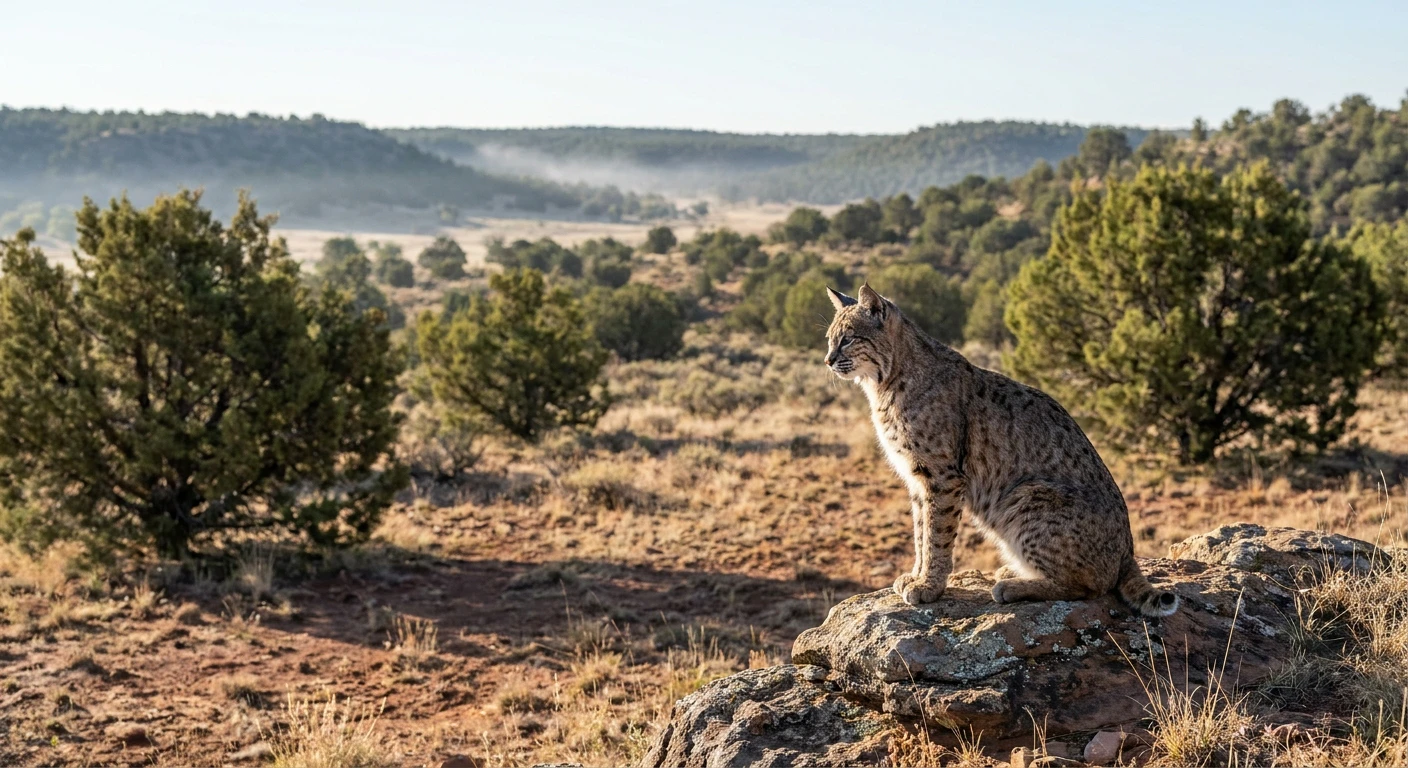
And for every 25,000 acres developed, the commission estimates that roughly 60 bobcats, 580 deer and 2,000 cardinals lose habitat.
With these projections, Ross's argument has a concrete basis: protecting an animal also involves decisions about the ground beneath it.
Longcore Challenges the Legal Boundary
Travis Longcore, senior associate director at the University of California, Los Angeles Institute of the Environment and Sustainability, explains the earlier interpretation treated destruction of protected animals' habitat as an offence regardless of intent, because it disrupted their behaviour.
Longcore credits the Endangered Species Act with preventing extinctions and regards the change as a threat to that protection. The disagreement, however, turns on whether a rule focused on purposeful acts can adequately address injuries caused through habitat destruction.
Christine Janks, president of the Carson Springs Wildlife Foundation, supports both conservation and development, but also maintains that developers need regulation to prevent widespread habitat destruction.
Janks also recognises the difficulty of writing sound rules and the possibility of excessive government enforcement. Her concern about people testing regulatory boundaries leaves an unresolved practical issue alongside Ross's argument: how an intent-based standard will account for damage that developers describe as unintended.
Ross Calls for Work on the Ground
Almost $118 million in proposed endangered-species programme reductions adds another pressure to the interventions Ross supports. The Endangered Species Coalition highlighted the proposed reduction in the 2027 budget on April 3rd.
Meanwhile, Janks argues that efficient spending can support protection and recommends private investment to help offset federal reductions. Ross places the emphasis on adequate federal funding and lawmakers who understand conservation, alongside rules that people enforce.
Source