More Than Half of Africa's Wildlife Rangers Have No Life Insurance
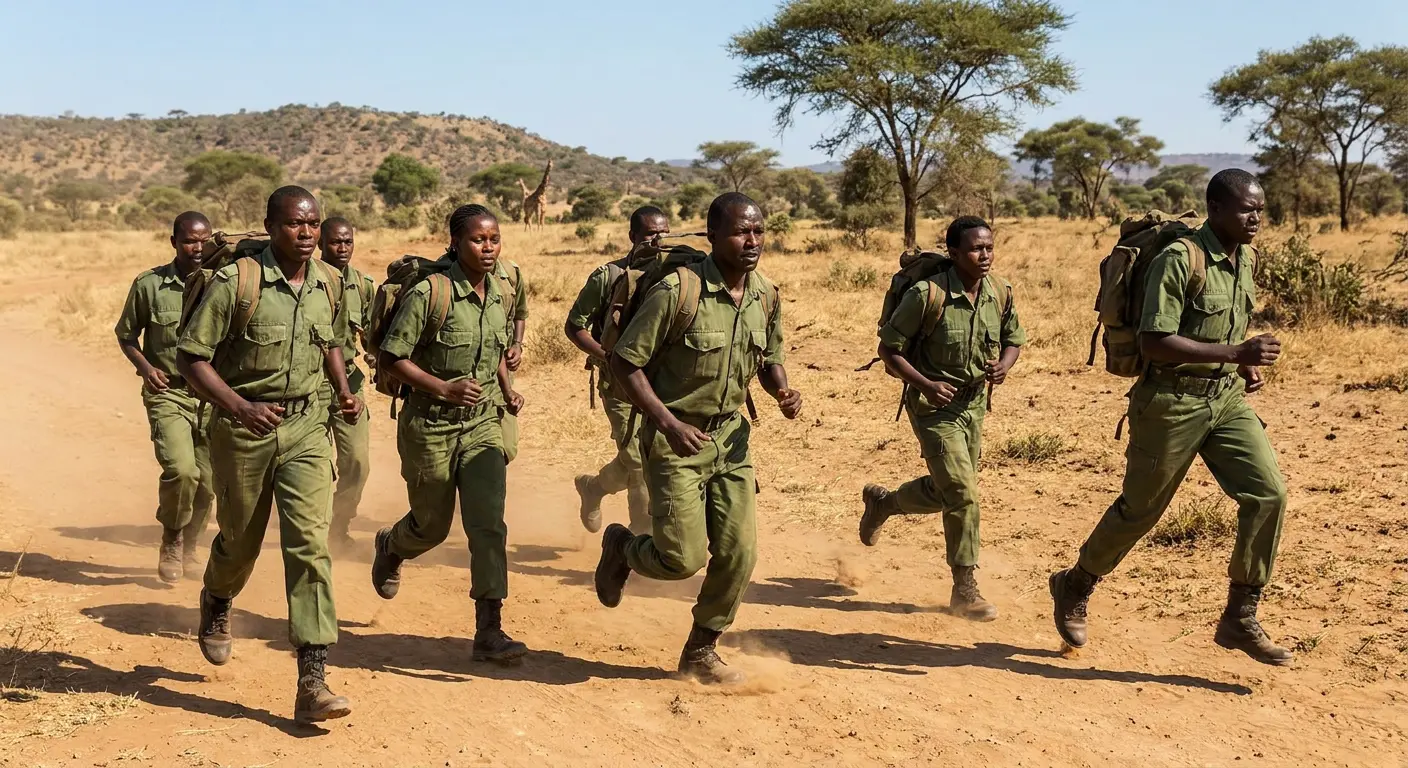
More than 2,000 rangers took part in the 7th Wildlife Ranger Challenge (WRC), which ended in a synchronised 21km race on 19 September 2026 across Africa. The race is held to increase public awareness to the issue that more than half of Africa's wildlife rangers have no life insurance.
The Risk Rangers Carry
Rangers protect elephants, rhinos, marine life, forests, wetlands, medicinal plants and wild food sources. They face armed poachers, organised wildlife crime, conflict and rough terrain, often for months away from their families. Those same landscapes support local livelihoods, along with businesses in ecotourism, fishing, wildlife ranching, forest products and carbon markets.
"Being a ranger is a very difficult field," said Chantal Migongo, the Chief Conservation Officer at Tusk Trust, an African conservation charity. Tusk Trust and the Game Rangers Association of Africa (GRAA) are working through the Wildlife Rangers Standards Initiative to get rangers medical and life cover. Their target is 10,000 insured rangers across Africa by 2030.
Edward Ndiritu, head of Lewa's anti-poaching unit, said most conservancy rangers have no life insurance. He called insurance the biggest "plus" the challenge can deliver.
The Race
Men ran carrying 22kg and women 10kg. Stanley Momposhikashu, whose Mountain Bongo team won the men's race, said carrying the weight made it "gruelling" in the heat. He said the race was tough, but no harder than the long days and nights he spends guarding wildlife from poachers and illegal loggers.
Eunice Peneti, a ranger at Olgulului Conservancy in the Amboseli ecosystem, said the work is "especially challenging for us as women. But it is also a job we love."
Where the Money Goes
The Wildlife Ranger Challenge began in 2020 to keep ranger teams working through the Covid-19 pandemic. Counting expected funds from 2026, it will have raised more than $28 million USD for frontline rangers over the last seven years. The money pays for welfare, training, equipment, technology and operations.
SOURCE
Wildlife rangers lack life insurance despite facing deadly risks | The Standard