As of 1 July 2026, Australia has a newly designated agency to fight wildlife crime: the National Environmental Protection Agency (National EPA), the first independent national environmental regulator for the country. Its mission: “strengthen oversight” while also working to “modernise national environmental regulation.”
The agency's first major wildlife crime investigation was conducted on 16 July 2026 as a joint federal and state operation which targeted an alleged network supplying native reptiles to foreign nationals for illegal export.
Socks, Foil and a Bathtub
These cases show how the animals are moved:
• February 2026: Neil Simpson, 61, received 8 years; Australia’s longest sentence for wildlife smuggling. He attempted exporting live reptiles to Hong Kong, Romania, South Korea and Sri Lanka between 2018 and 2023. Investigators seized 101 live reptiles, then hundreds more in two undercover operations.
• May 2026: Yang Zeng, a 28-year-old Chinese national unlawfully in Australia, was sentenced to two and a half years in prison on nine charges of illegally exporting wildlife to Hong Kong. Using a fake animal keeper licence, he obtained saw-shelled turtles, Cooper Creek turtles, blue-tongued lizards and magnificent tree frogs.
Earlier during September 2024 to May 2025, he stuffed animals into socks and hosiery, wrapped them in foil, and posted them in parcels beside items such as dog food. Various turtles were also seized in a Sydney suburb property search after being discovered swimming in a bathtub.
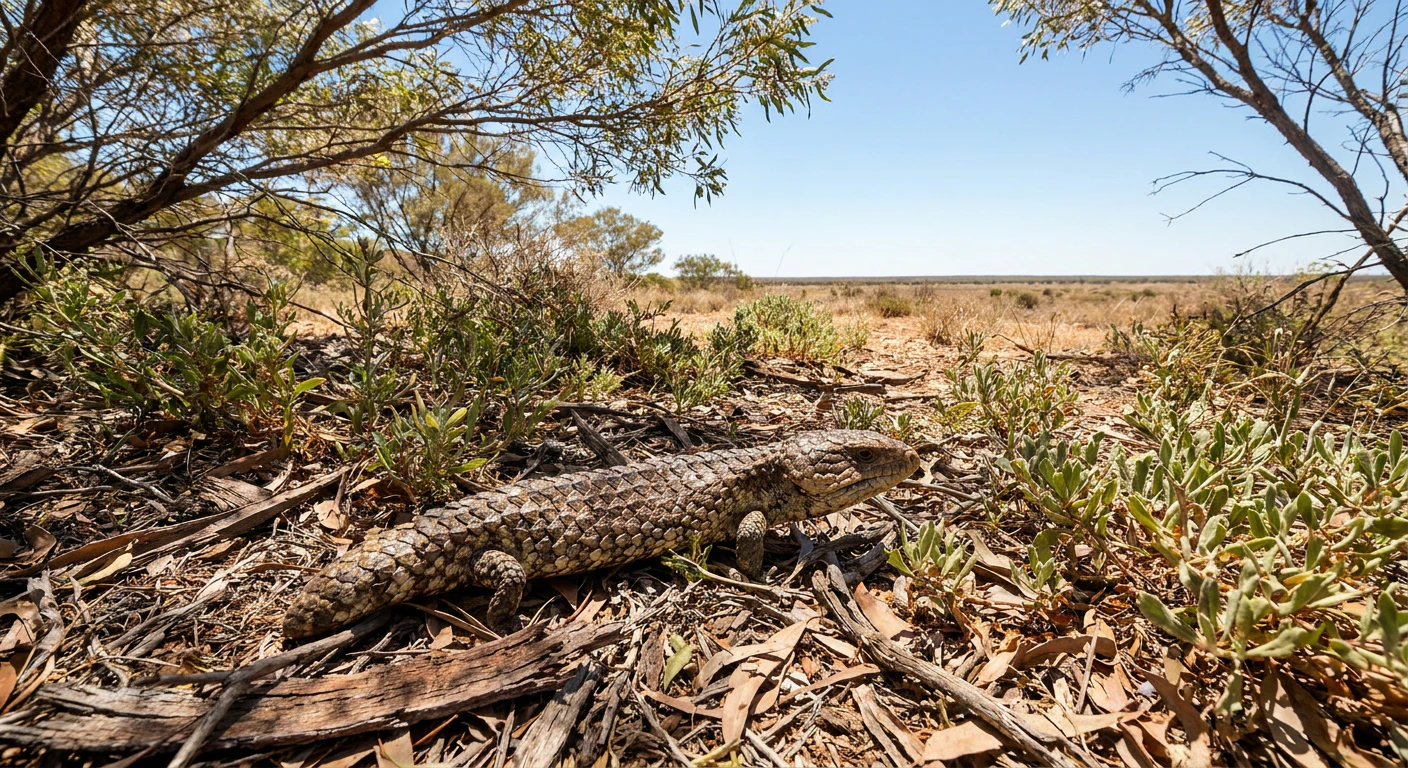
• 16 July 2026: Shingleback lizards, spiny-tailed skinks and lace monitors were among 36 reptiles seized in Sydney, along with about AU$300,000 in cash and gold and silver bullion.
• 4 September 2026: a 21-year-old Chinese national was charged with attempting to smuggle 163 native reptiles from Sydney to Hong Kong.
In the 12 months to May 2026, authorities intercepted 113 exports containing 1,250 native wildlife specimens.
Why Australian Reptiles Are Targeted
Commercial exports of live native reptiles have been banned for decades, yet they remain in the international pet trade.
Penalties for exporting without a permit reach ten years in prison and fines of up to AU$364,000. Sentences fall well below that. In August 2026, a woman who tried to smuggle more than 50 fertilised emu eggs to Vietnam was fined AU$5,000.
A 2026 survey by International Fund for Animal Welfare (IFAW) and Adelaide University’s Wildlife Crime Research Hub found that 86% of respondents were worried about wildlife trafficking, but 64% knew little about it and 22% had never heard of it.
“If you take part in the illegal wildlife trade, you risk serious penalties,” said Dani Yannopoulos, head of environmental permitting and compliance at the National EPA.
Source
Reptiles, gold and money: How Australia is cracking down on wildlife trafficking | Mongabay