A new protected area in Pakistan is giving threatened coastal wildlife a safer haven. In September 2025, the country designated the Miani Hor Lagoon—a biodiversity hotspot supporting species such as Dalmatian pelicans and great black-headed gulls—as a protected area.
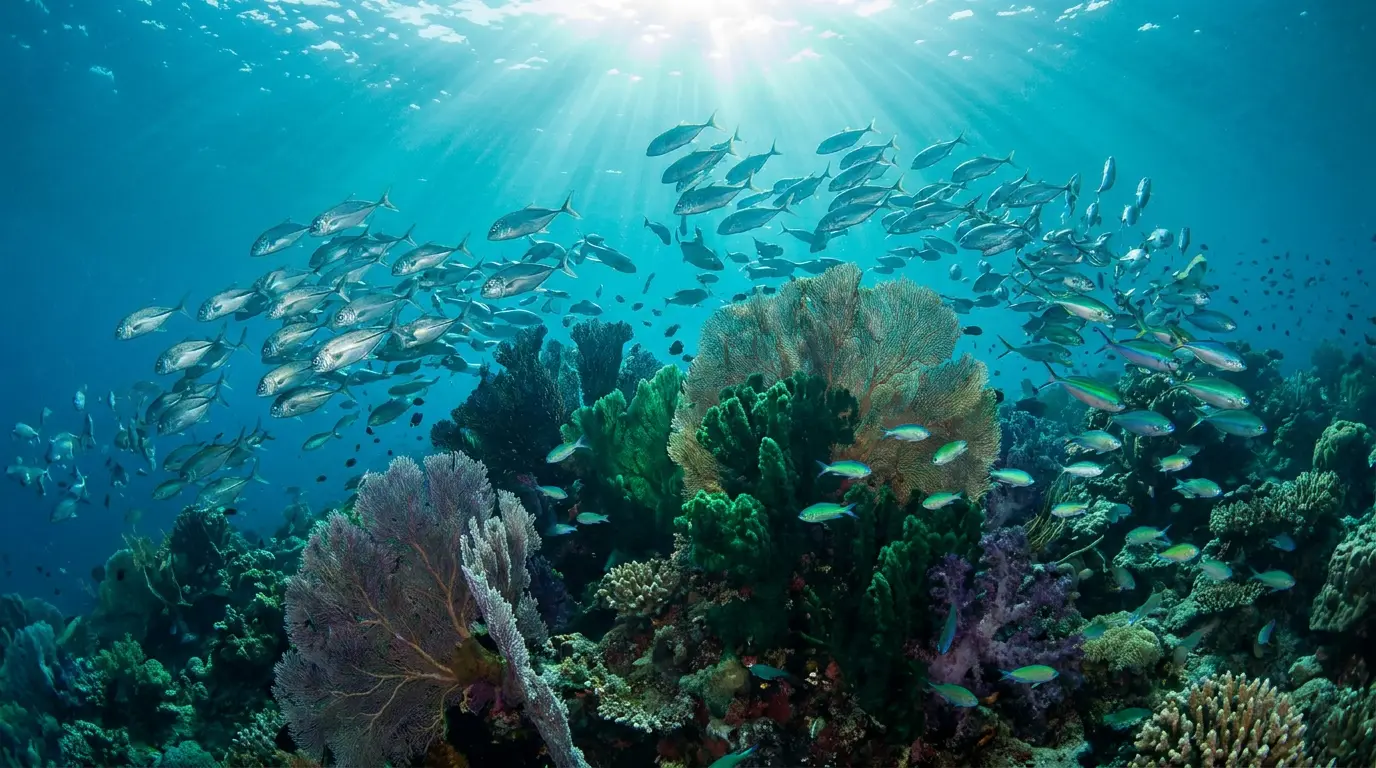
The move reflects a broader wave of marine conservation, with Indonesia and Thailand adding 284 new marine and coastal protected areas to safeguard vulnerable ecosystems. By April 2026, these combined efforts helped push Marine Protected Areas (MPAs) to cover 10% of the world’s oceans, marking a significant step towards the global “30 by 30” conservation goal and reinforcing the importance of ocean protection highlighted during June's World Oceans Day.
Regional Momentum and Biodiversity Hotspots
The push for maritime security has expanded significantly across Asia and Africa. While Indonesia and Thailand established hundreds of new coastal zones, Ghana reached a historic turning point by declaring its first MPA, the Greater Cape Three Points, in 2026.
In the Pacific, French Polynesia set a massive precedent in June 2025 by declaring the world’s largest MPA. Covering 4.8 million square kilometres, the zone encompasses the territory’s entire exclusive economic zone, shielding vital habitats from industrial pressure.
Pakistan’s selection of Miani Hor Lagoon highlights the shift toward protecting complex estuarine environments. The lagoon is not just a bird sanctuary, but a functional nursery for countless marine organisms that sustain regional fisheries.
By focusing on these specific hotspots, nations are attempting to balance environmental integrity with the needs of human populations.
The Challenge of Real Protection
Declaring a protected area is a legislative act, but ensuring protection translates to the seafloor remains a hurdle. Many MPAs lack enforcement to prevent habitat destruction.
Throughout Europe, bottom trawling continues within many protected zones. This method involves dragging weighted nets across the seabed, often catching roughly 3,000 distinct species in a single sweep.
In the United Kingdom, public pressure is mounting against "paper parks". These are areas that carry a legal title but offer minimal safety from industrial fishing.
Legal battles are challenging these loopholes, as seen in a recent Dutch court victory that may curb bottom trawling. Similar efforts are unfolding in South Africa to protect the Great African Seaforest.
Stretching 1,300 kilometres along the Atlantic, it is the world’s only expanding kelp forest. Ensuring these forests grow requires more than a map; it requires active monitoring and the political will to reach the final 30% goal.
Source
World Oceans Day: Marine protected areas surpass 10% mark in 2026 | Mongabay